

What’s Included in the Membership
One membership. Multiple disciplines. Shared language.

SCHOOL COUNSELING
- Mental health education and wellbeing lessons
- Anxiety, stress, depression, and suicide prevention supports
- Crisis plans, safety planning, and risk-support tools
- Coping skills, resilience, and emotional literacy resources
- Self-care check-ins and reflective tools for students

BEHAVIOR SUPPORTS
- Impulse control, emotional regulation, and coping strategies
- Behavior support tools grounded in connection, not compliance
- Executive functioning and self-management resources
- Attendance, motivation, and engagement interventions
- Visual supports and structured regulation tools
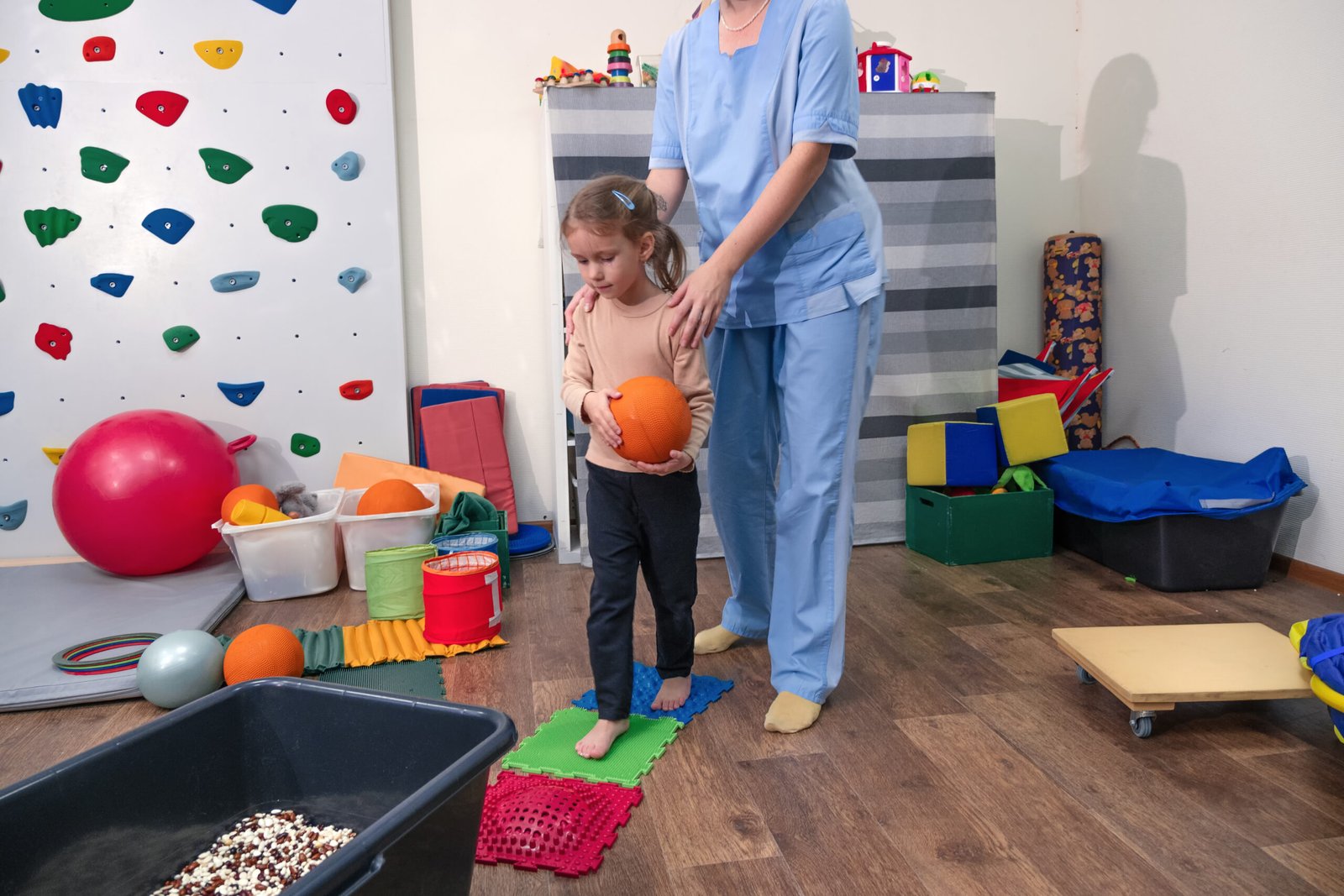
OCCUPATIONAL THERAPY
- Sensory processing and sensory diet resources
- Deep pressure, heavy work, and proprioceptive input activities
- Regulation strategies for focus, calm, and participation
- Visual schedules, routines, and environmental supports
- ADHD- and autism-informed OT tools
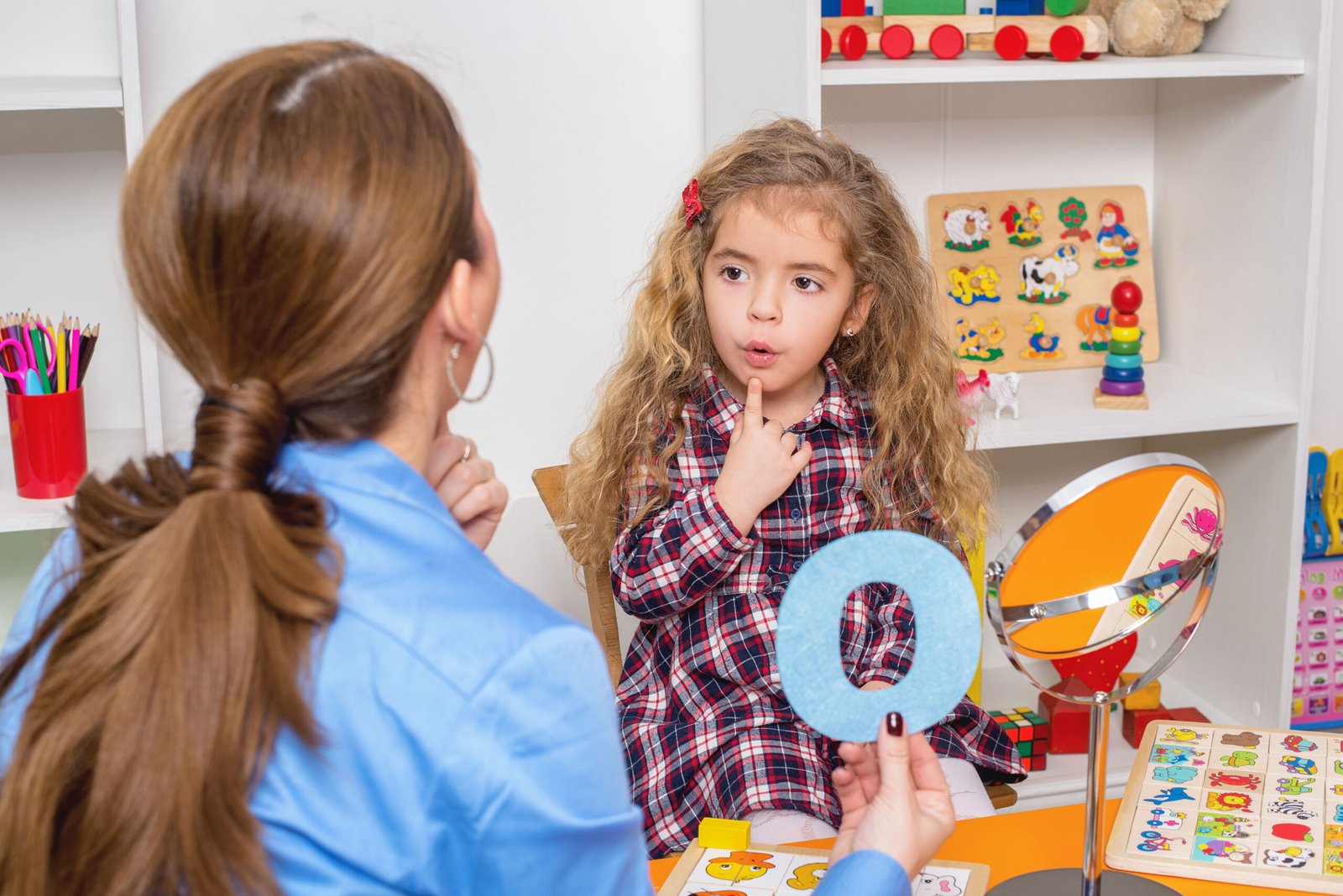
speech therapy SUPPORTS
- Speech and language therapy activities
- Social communication and pragmatic language supports
- Conversation skills and emotional language development
- Visual supports
- Social Stories & Narratives
- Supports for diverse communication needs
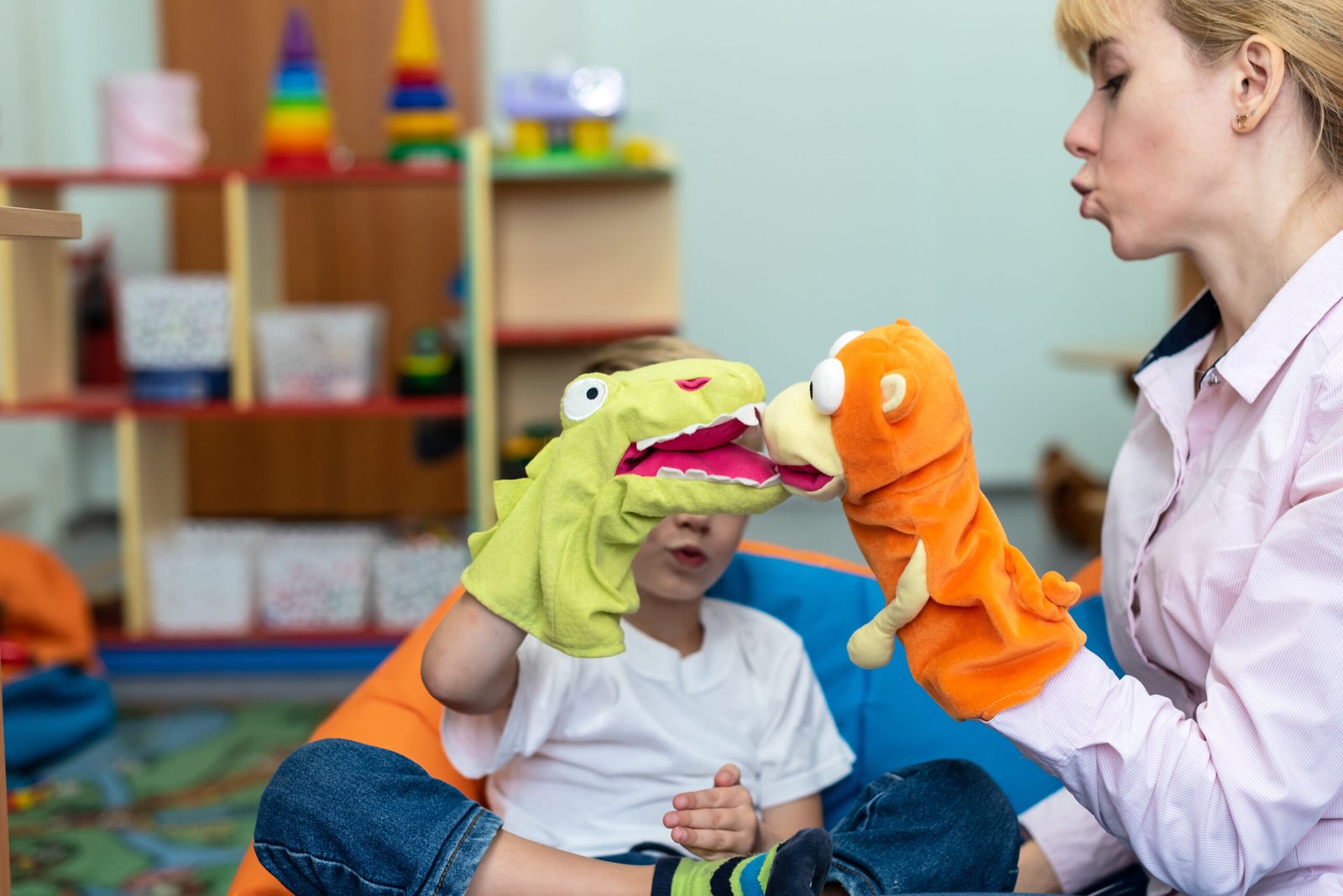
PLAY & sandtray THERAPY
- Play-based and expressive therapeutic activities
- Creative emotional processing tools
- Relationship-building and connection-focused interventions
- Developmentally responsive counseling supports

GROUP COUNSELING CURRICULUM
- Structured small group counseling curriculums (all age levels)
- Impulse control, anger management, and coping skills groups
- Social skills and peer relationship groups
- ASCA-aligned session plans and data tools

CAREGIVER, TEACHER & FAMILY SUPPORTS
- Family newsletters and school–home communication tools
- Coffee with the Counselor relationship-building resources
- Parent and caregiver education handouts
- Teacher forms, follow-ups, and support tools

ASSESSMENT & DOCUMENTATION
- Pre- and post-assessments
- Reflection and goal-tracking tools
- SEL and executive functioning skill builders
- Progress monitoring and data collection
- Sensory and self-regulation checklists
Get Access to
Small Group Counseling Curriculums
Explore our comprehensive and growing collection of ASCA-aligned, trauma-informed, research-based small group counseling curriculums designed for therapeutic intent—not just classroom delivery.
All Therapy Resources curriculums are practitioner-designed and built to support real clinical outcomes across elementary, middle school, and high school settings, while remaining flexible enough for schools, clinics, districts, and multidisciplinary teams.
Each curriculum intentionally bridges the gap between theory and practice. Lessons are grounded in research-based frameworks and aligned with ASCA Mindsets & Behaviors, while remaining practical, accessible, and realistic for busy professionals working at scale.
What sets our Curriculums apart:
- Designed for therapeutic intent, supporting regulation, mental health, communication, and behavior—not just engagement
- ASCA-aligned and research-informed, maintaining clinical integrity and ethical practice
- Trauma-informed by design, with flexible delivery, choice, and relational safety at the core
- Practitioner-created for real settings, including schools, clinics, districts, and home-based support
- Structured for impact, with clear session plans, therapeutic activities, reflection prompts, and data-informed outcomes
These curriculums reduce planning time without sacrificing clinical quality, allowing professionals to deliver consistent, meaningful support—whether working with individuals, small groups, or system-wide mental health frameworks.
Designed for small groups.
Built for real students.
Grounded in best practice.
Take a Little peek at what’s inside..
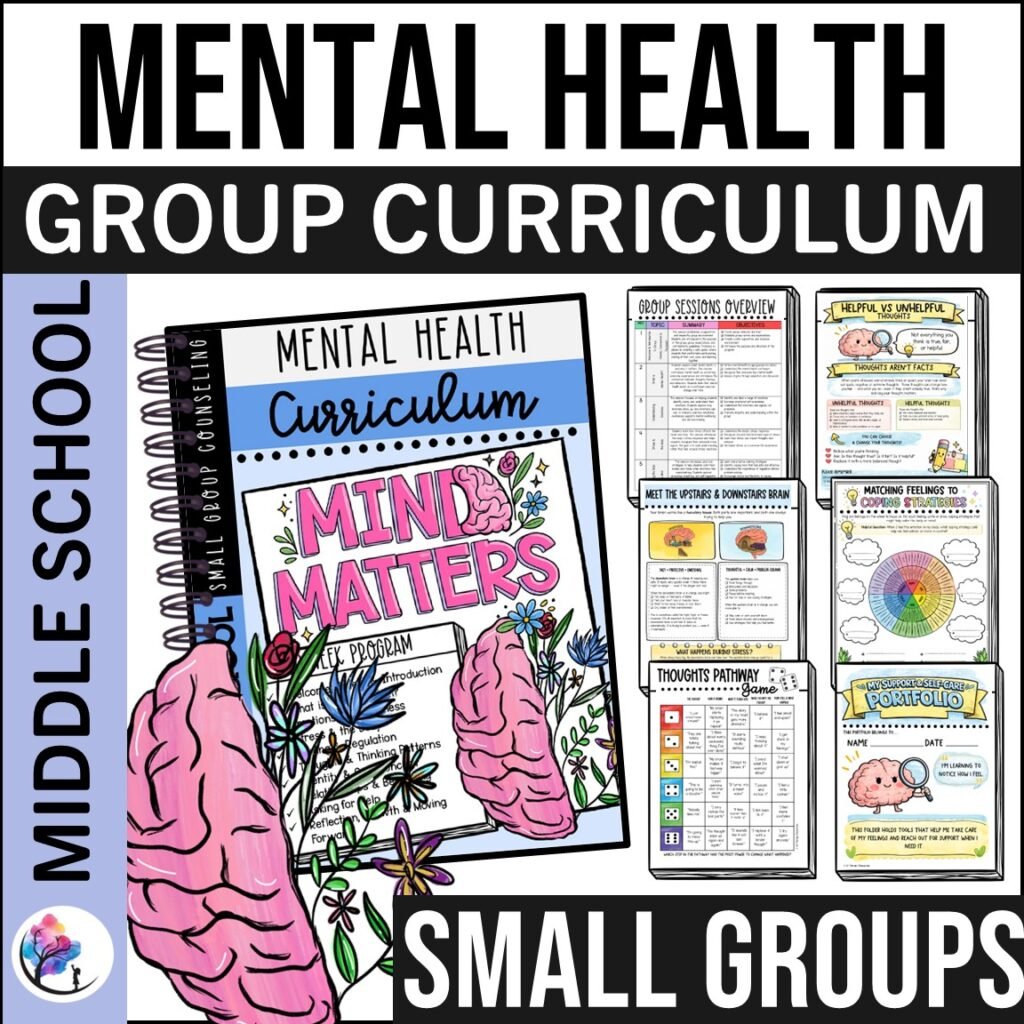
MENTAL HEALTH
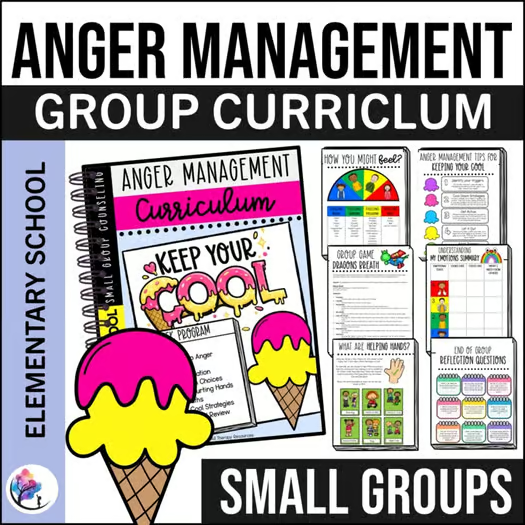
ANGER MANAGEMENT
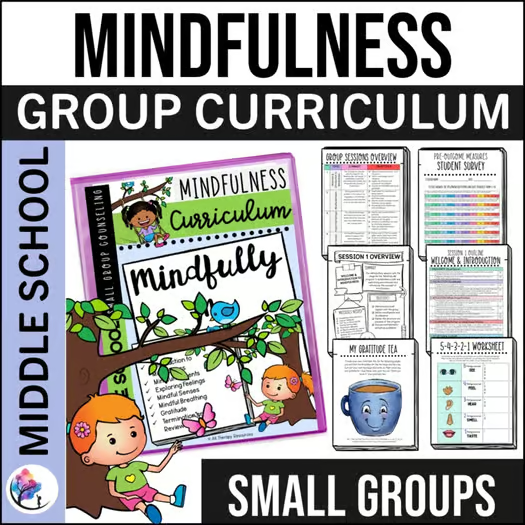
MINDFULNESS
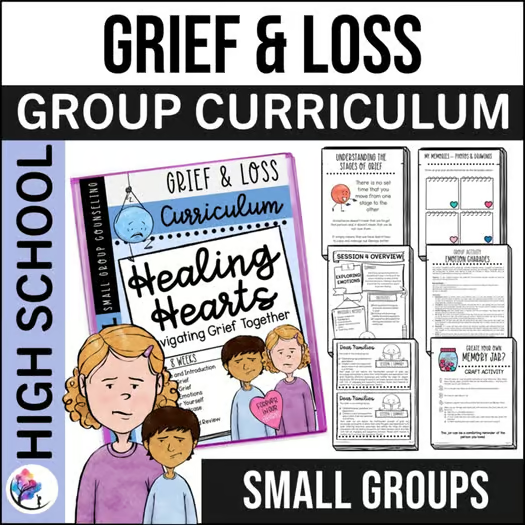
GRIEF & LOSS
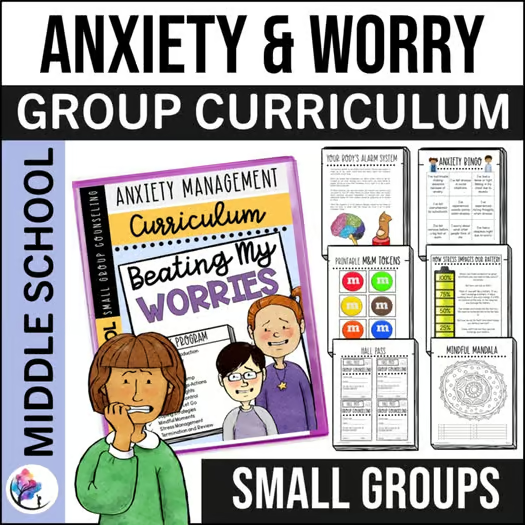
ANXIETY & STRESS
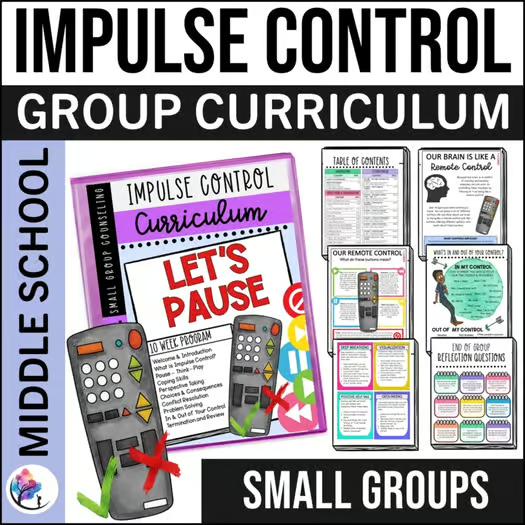
IMPULSE CONTROL
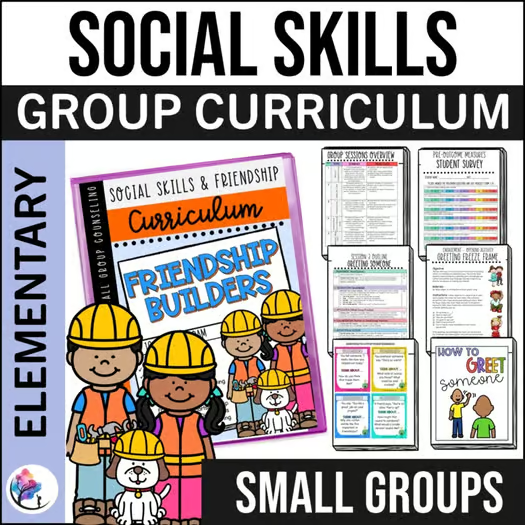
SOCIAL SKILLS
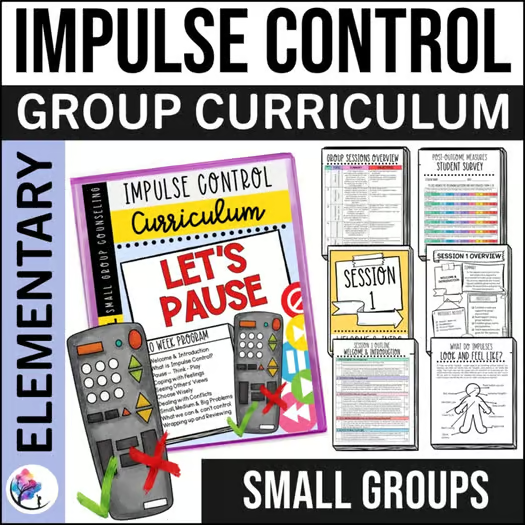
SELF CONTROL
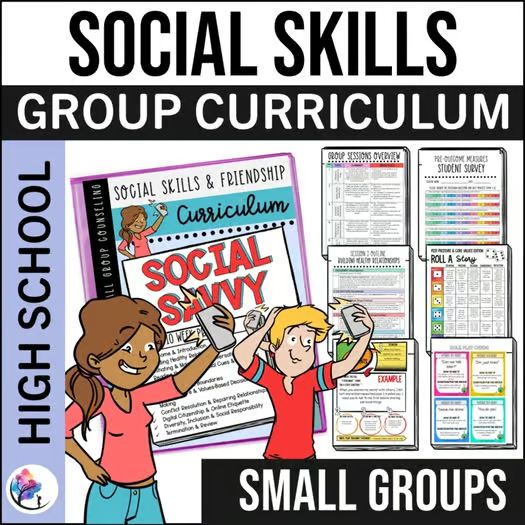
FRIENDSHIP
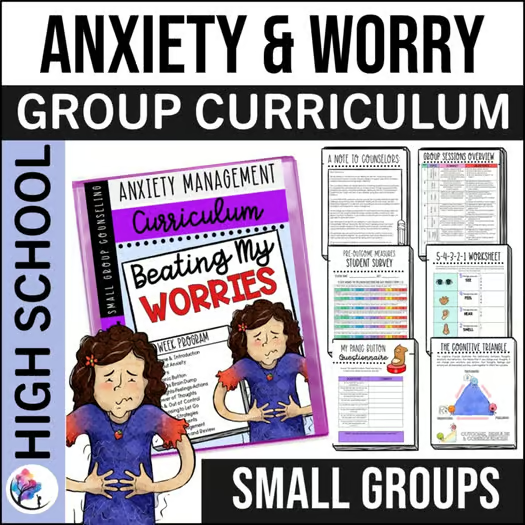
ANXIETY & STRESS
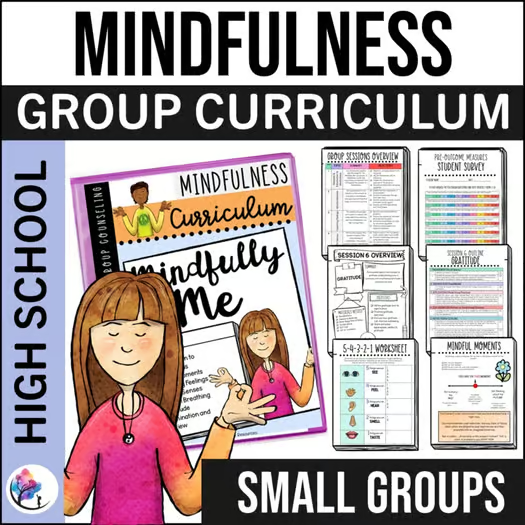
MINDFULNESS
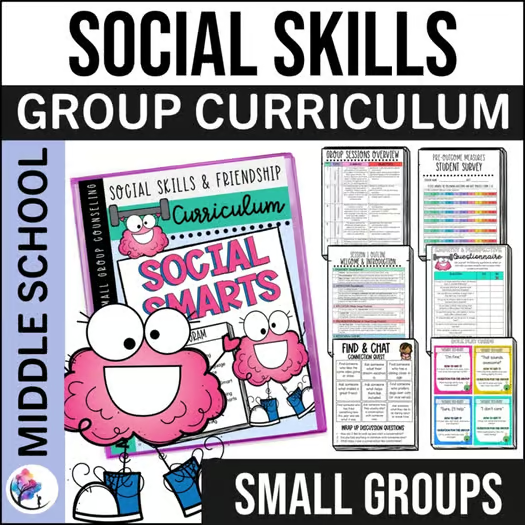
SOCIAL SKILLS
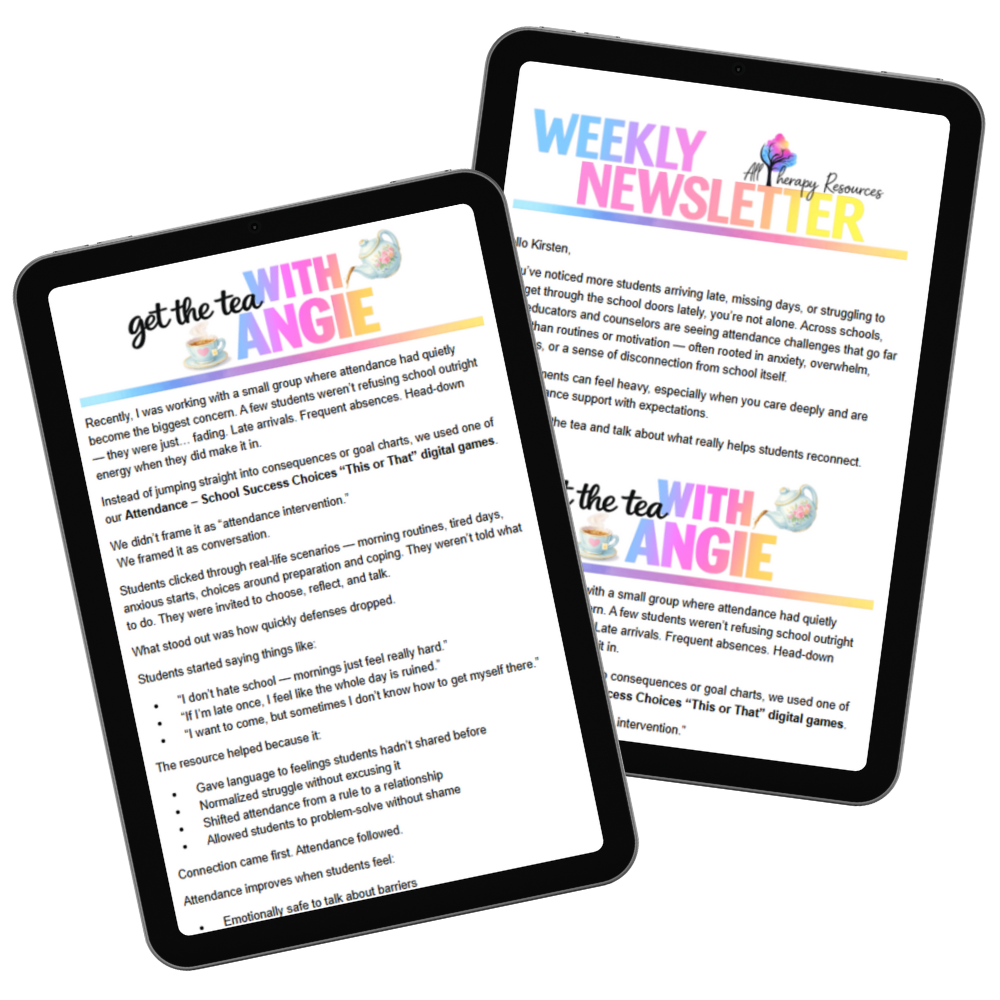
A FREE WEEKLY NEWSLETTER FOR COUNSELORS, THERAPISTS, AND EDUCATORS
Founder of All Therapy Resources
Stop searching. Start receiving clinically grounded, real-world support—delivered weekly.
Get the Tea with Angie is a free weekly email for counselors, therapists, educators, and allied health professionals who want support that bridges research, therapeutic intent, and real practice.
Each week, Angie shares:
- Free, ready-to-use therapy and counseling resources
- Research-informed insights, translated into practical application
- Trauma-informed strategies you can confidently use in schools, clinics, districts, and home-based settings
- Clinical reflections from the field that bridge theory with real systems-level practice
- Thoughtful guidance that supports clarity, confidence, and sustainable professional practice
It’s evidence-informed guidance + tangible tools, written by a practitioner who understands the realities of time pressure, complex caseloads, and system demands.
DELIVERED WEEKLY. ALWAYS FREE. DESIGNED FOR REAL PRACTICE.
See the Latest
On the All Therapy Resources Blog
See More
Symbolic Play and Trauma Processing: Why Play Is a Powerful Language for Healing
What do we do when a child cannot find the words to explain what they’ve experienced? When traditional talk-based approaches fall flat, or when a student shuts down the moment emotions come close to the surface? For school counselors, teachers, and school psychologists, symbolic play is often one of the most misunderstood — yet powerful…
Why Relationship-Based Practice Changes Behavior: A Trauma-Informed, Neuroscience-Based Perspective
Why does one student respond calmly to one adult but escalate with another? Why do behavior plans sometimes fail until a trusting relationship is established? And why do students often make their biggest behavioral gains not after consequences, but after connection? For school counselors, teachers, and school psychologists, these questions come up daily. The answer…
Feelings and Play: How Play-Based SEL Builds Emotional Regulation and Resilience
Have you ever noticed how children often show their feelings long before they can explain them? A child might shut down, act out, avoid tasks, or become tearful—not because they don’t want to communicate, but because they don’t yet have the emotional language or regulation skills to do so. This raises an important question: How…
Understanding and Supporting Individuals with Disorganized Schizophrenia: A Guide for Mental Health Professionals
What do you do when a client’s behavior seems disconnected from reality, conversations are hard to follow, and emotions seem out of place—or missing altogether? For counselors, psychologists, and allied health professionals, encountering disorganized schizophrenia in a clinical or community setting can be both challenging and emotionally complex. This blog offers insight, compassion, and actionable…
Rebuilding Connection: Understanding and Supporting Clients with Aphasia
What happens when words are lost, but the need for connection remains? Imagine the frustration of knowing exactly what you want to say—but being unable to get the words out. This is the daily reality for many individuals living with aphasia, a language disorder often misunderstood by families, caregivers, and even professionals. If you’re a…
Understanding Dementia: Practical, Compassionate Support for Professionals and Families
Are you supporting someone with dementia and wondering how to truly connect, reduce distress, and offer meaningful care? As a counselor or allied health professional, working with individuals who have dementia—and their families—can be both rewarding and challenging. You may find yourself asking: How do I balance clinical support with empathy? How can I help…